Song Dynasty · 960–1279 CE
宋代五大名窑
Five kiln traditions. Five distinct aesthetics. One brief golden century that set the standard for Chinese ceramics — and the benchmark for collectors — for the next eight hundred years.
The term "Five Great Kilns" (五大名窑) was not coined by Song potters or their imperial patrons. It was constructed retrospectively by Ming Dynasty connoisseur-collectors in the 16th century, who looked back at Song ceramics and declared five specific traditions to be the irreducible summit of the art. The ranking has held, with minor variations, for five centuries.
Each of the five kilns represents a fundamentally different answer to one question: what does perfect ceramics look like? Ru answered with restrained sky blue and jade-like quietude. Jun answered with volcanic colour unpredictability. Ding answered with the purity of white porcelain and precision carving. Guan answered with imperial gravity and the drama of purple rim and iron foot. Ge answered with the paradox of the perfected flaw — making the crack itself the decoration.
"汝窑为魁,官窑次之,哥窑又次,钧窑又次,定窑又次。"
— Ming connoisseur literature establishing the hierarchy: Ru is chief, Guan second, Ge third, Jun fourth, Ding fifth. The ranking reflects rarity, imperial association, and glaze refinement.Together, these five traditions span the full aesthetic possibility space of Chinese ceramics. To understand all five is to understand the art form itself.
✦ First Among the Five · 汝窑为魁
汝Ru Ware
Northern Song · 1086–1125 CE · Baofeng, Henan
"Where the sky breaks through the clouds after rain — that is the sky-blue of Ru."
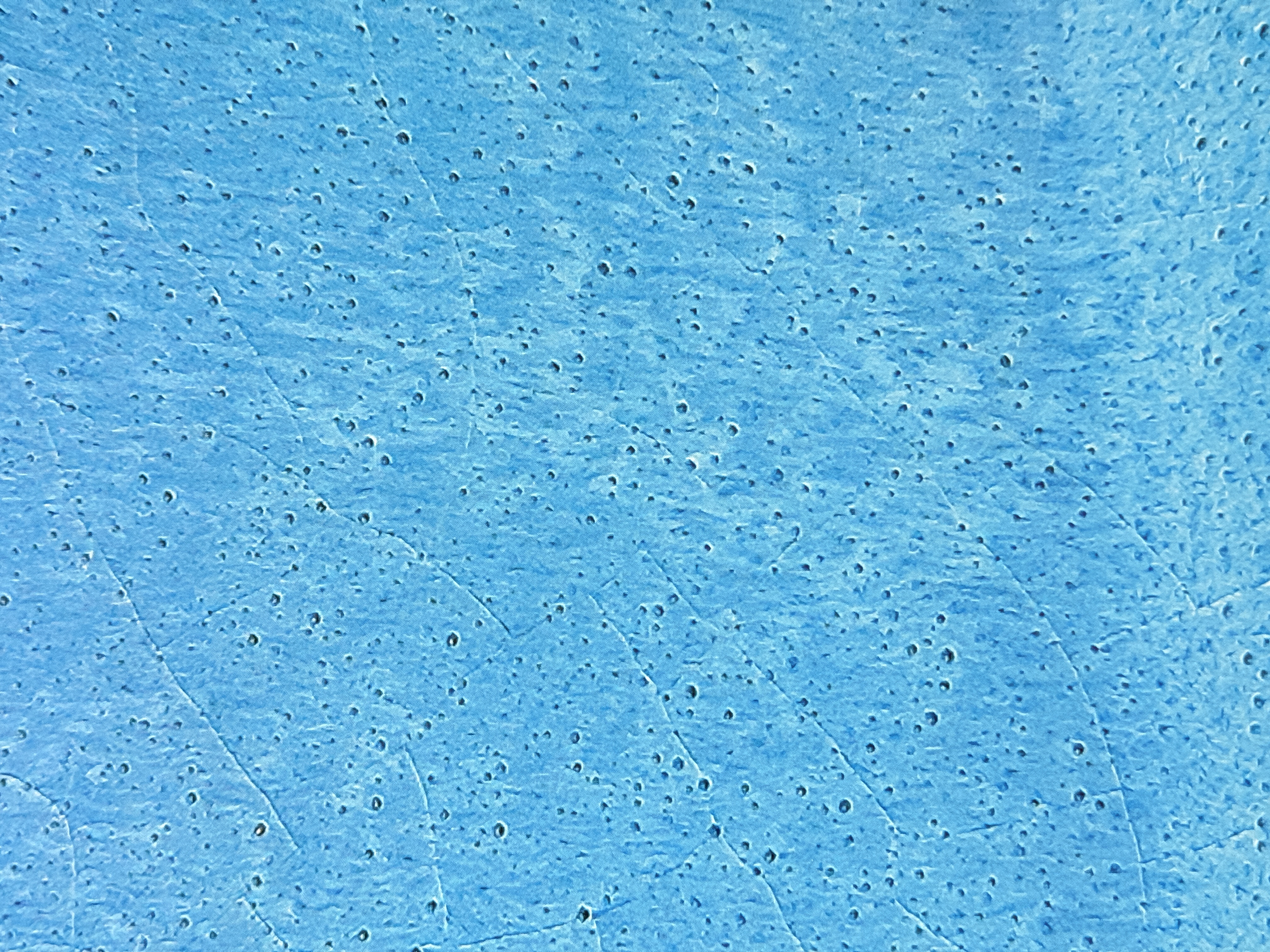
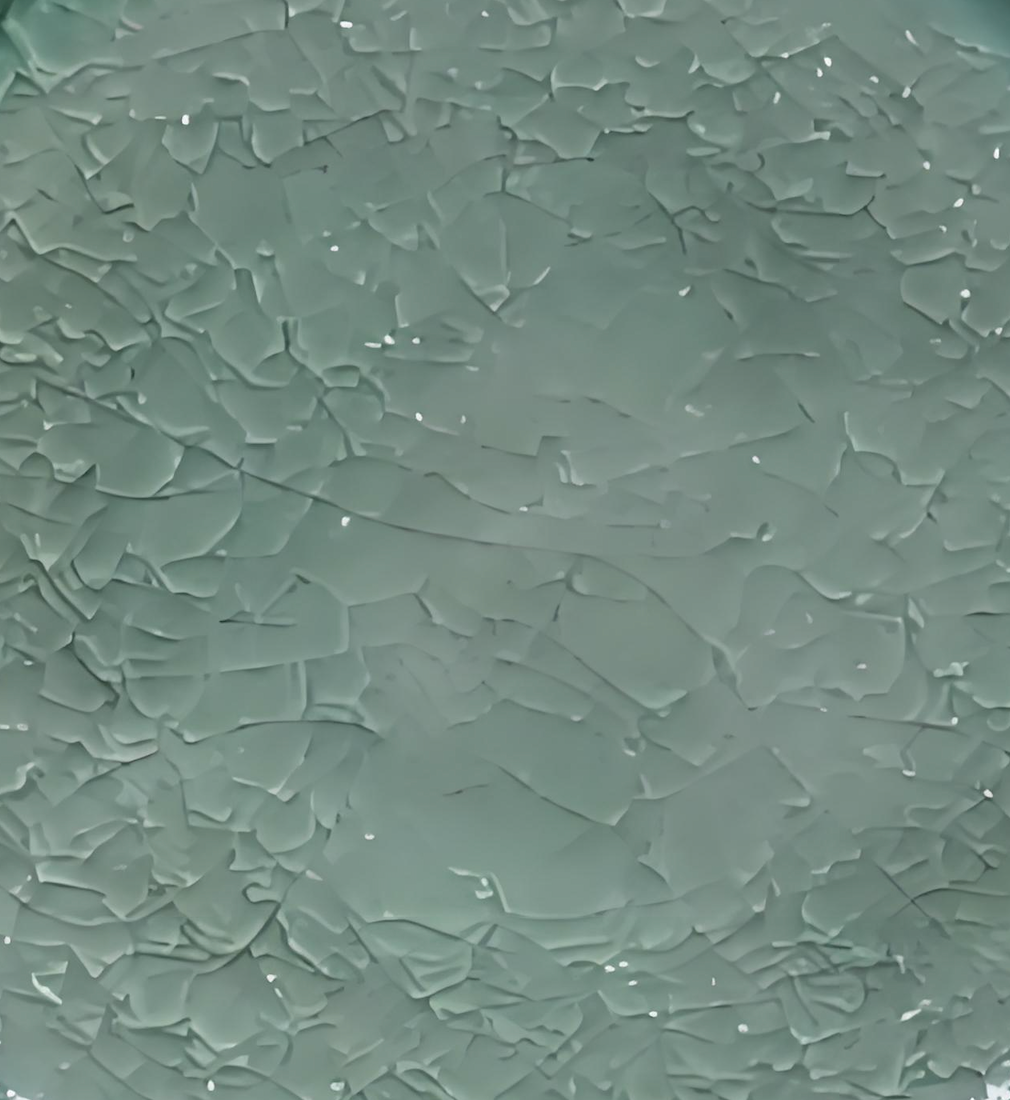
The rarest and most prized of the five. Produced under strict imperial commission for just 20 years, Ru ware achieved a sky-blue glaze of jade-like opacity through an agate-enriched formula and the formation of anorthite crystals during firing. Fewer than 100 pieces survive worldwide; fewer still are definitively authenticated.
The Imperial Kiln · 宋代皇家御窑
官Guan Ware
Northern Song & Southern Song · 1086–1270s · Kaifeng → Hangzhou
"Purple at the rim, iron at the foot, cracked like jade."
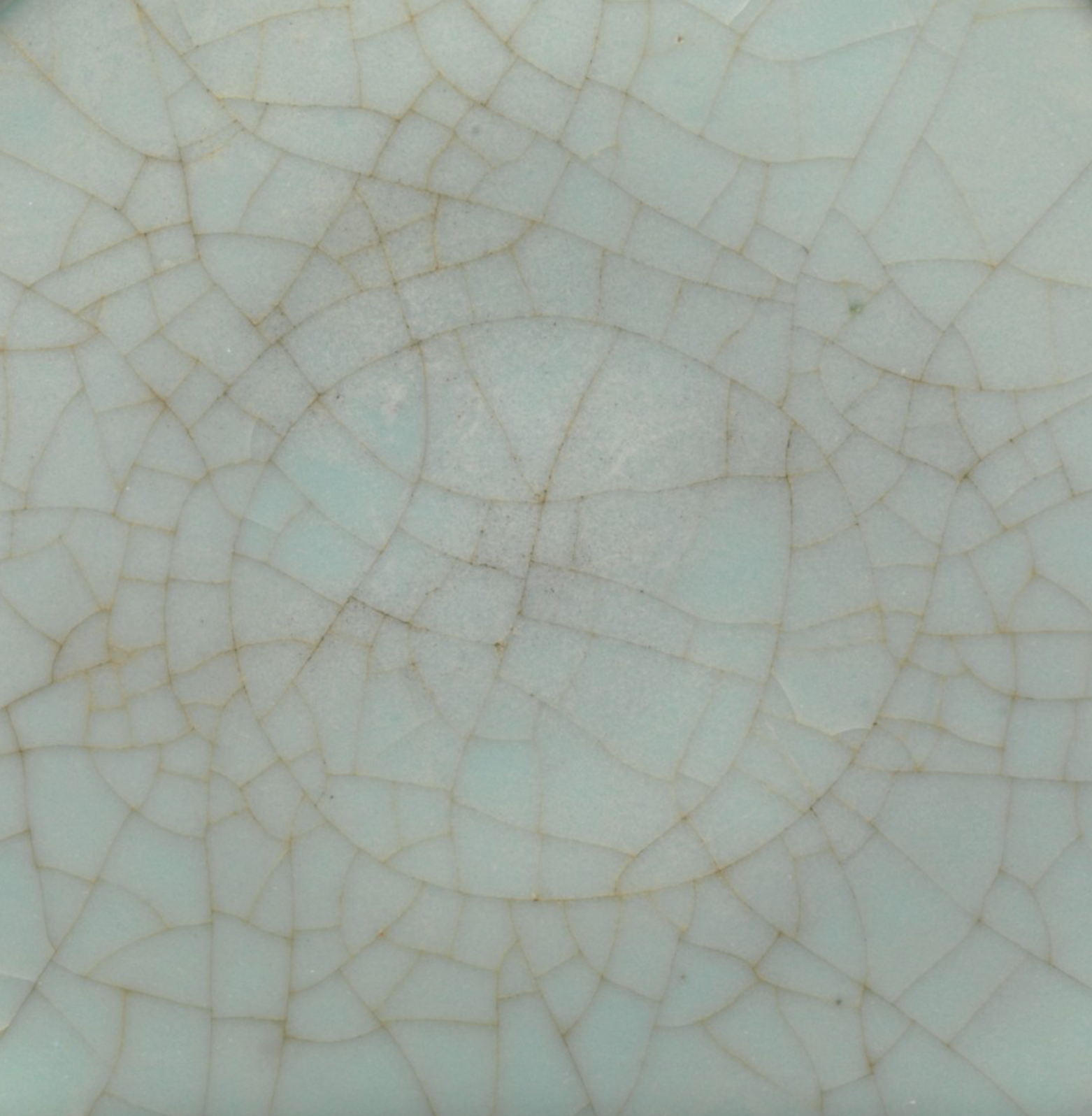
The only kiln among the five built as a state enterprise from its very first day. Its identity is defined by the drama of an iron-rich clay body showing through at the thinly glazed rim (purple mouth) and the unglazed footring (iron foot) — a visual tension the Song court considered the highest expression of restrained power.
The Mystery Kiln · 八百年之谜
哥Ge Ware
Claimed Southern Song · Location Unconfirmed · The Phantom Kiln
"Gold wire and iron thread — the perfect flaw, perfected."
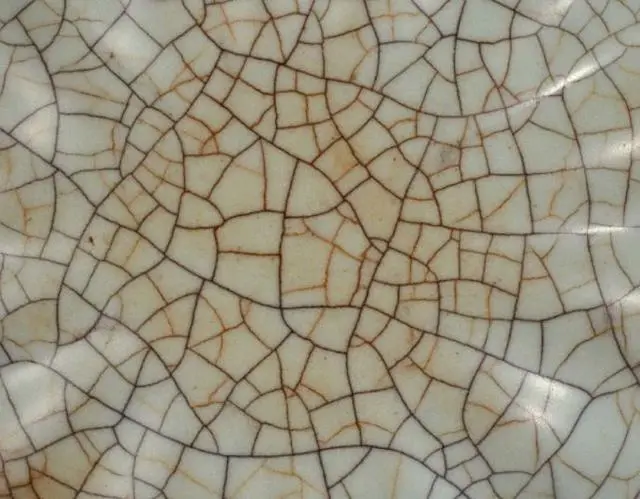
The most enigmatic of the five: Ge ware's exact kiln site has never been confirmed by archaeology. What is certain is its signature achievement — a double crackle network — large gold veins over fine iron threads — on a cream or grey glaze, transforming an accidental flaw into the highest register of imperial decorative culture.
The Unpredictable One · 窑变之王
钧Jun Ware
Northern Song–Ming · 10th–17th century · Yuzhou, Henan
"One colour enters the kiln — ten thousand colours emerge."
Jun ware is the great exception among the five — prized for drama rather than restraint. Its copper-based yaobian glaze produces unpredictable explosions of purple, crimson, and violet against a sky-blue ground. No two pieces are alike — by chance, not design — which is precisely why Song collectors prized this unpredictability and Ming emperors obsessively commissioned it.
The White Porcelain · 定白天下
定Ding Ware
Tang–Ming · c. 900–1600 CE · Quyang, Hebei
"White as jade, thin as paper, resonant as a chime-stone."
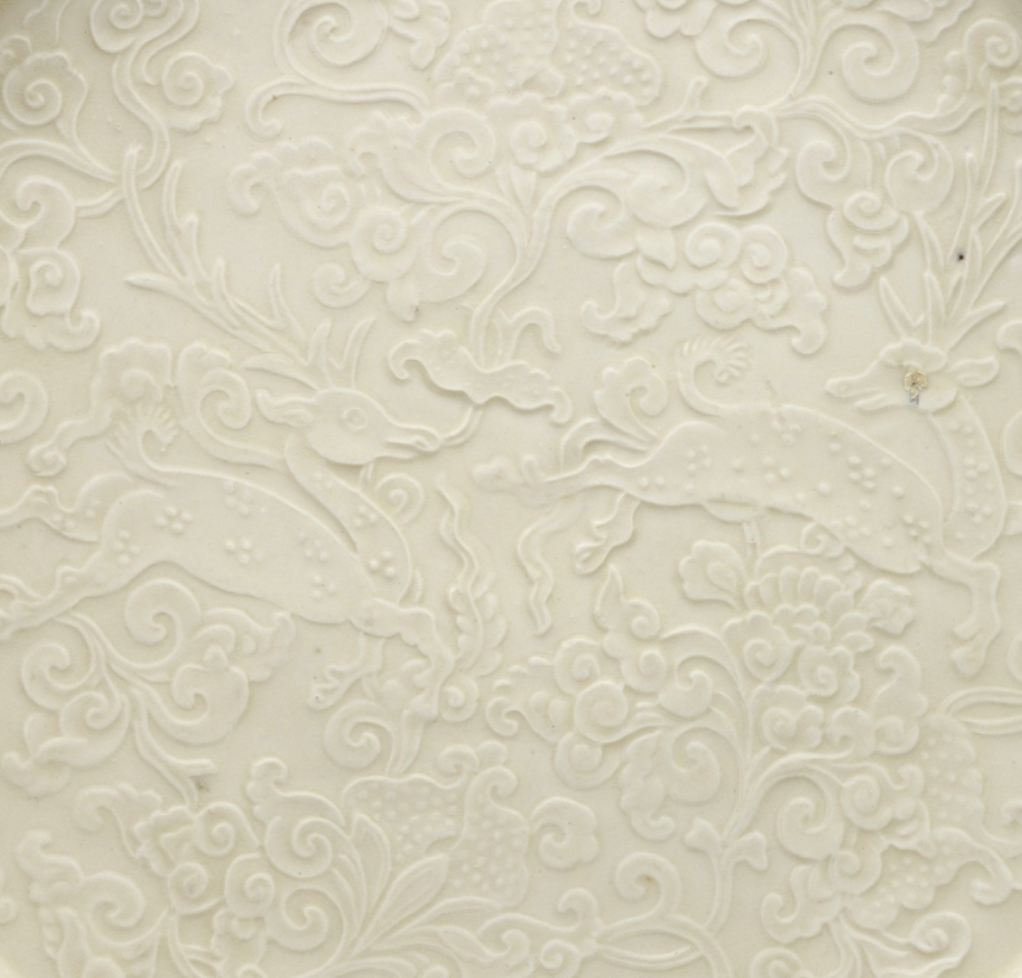
The oldest and longest-lived of the five traditions. Where the other four achieved greatness through glaze, Ding achieved it through form and surface — knife-carved decoration of breathtaking precision on a body so thin it becomes translucent in raking light. Ding pioneered the high-fired white porcelain aesthetic that influenced every Chinese ceramic tradition that followed.
A quick-reference comparison across all five traditions — the essential facts before engaging with any individual kiln in depth.
| 汝Ru | 官Guan | 哥Ge | 钧Jun | 定Ding | |
|---|---|---|---|---|---|
| Peak Period | 1086–1125 | 1086–1270s | Uncertain | 11th–17th c. | 10th–13th c. (Song peak) |
| Location | Baofeng, Henan | Kaifeng → Hangzhou | Unknown | Yuzhou, Henan | Quyang, Hebei |
| Glaze Colour | Sky blue | Pale green · White | Cream · Grey | Blue-purple | Ivory white |
| Clay Body | Ash-grey 香灰胎 | Dark iron-rich | Dark iron-rich | Grey stoneware | Fine white porcelain |
| Key Feature | Sesame spurs · Anorthite crystals | Purple mouth · Iron foot | Gold & iron wire crackle | Copper yaobian colour-play | Carved decoration · Drip marks |
| Status | Imperial | Imperial only | Disputed | Imperial + commercial | Commercial + imperial |
| Scarcity | Extreme (<100) | Very rare | Rare / disputed | Moderate | Moderate |
| Full Guide | → Ru | → Guan | → Ge | → Jun | → Ding |